
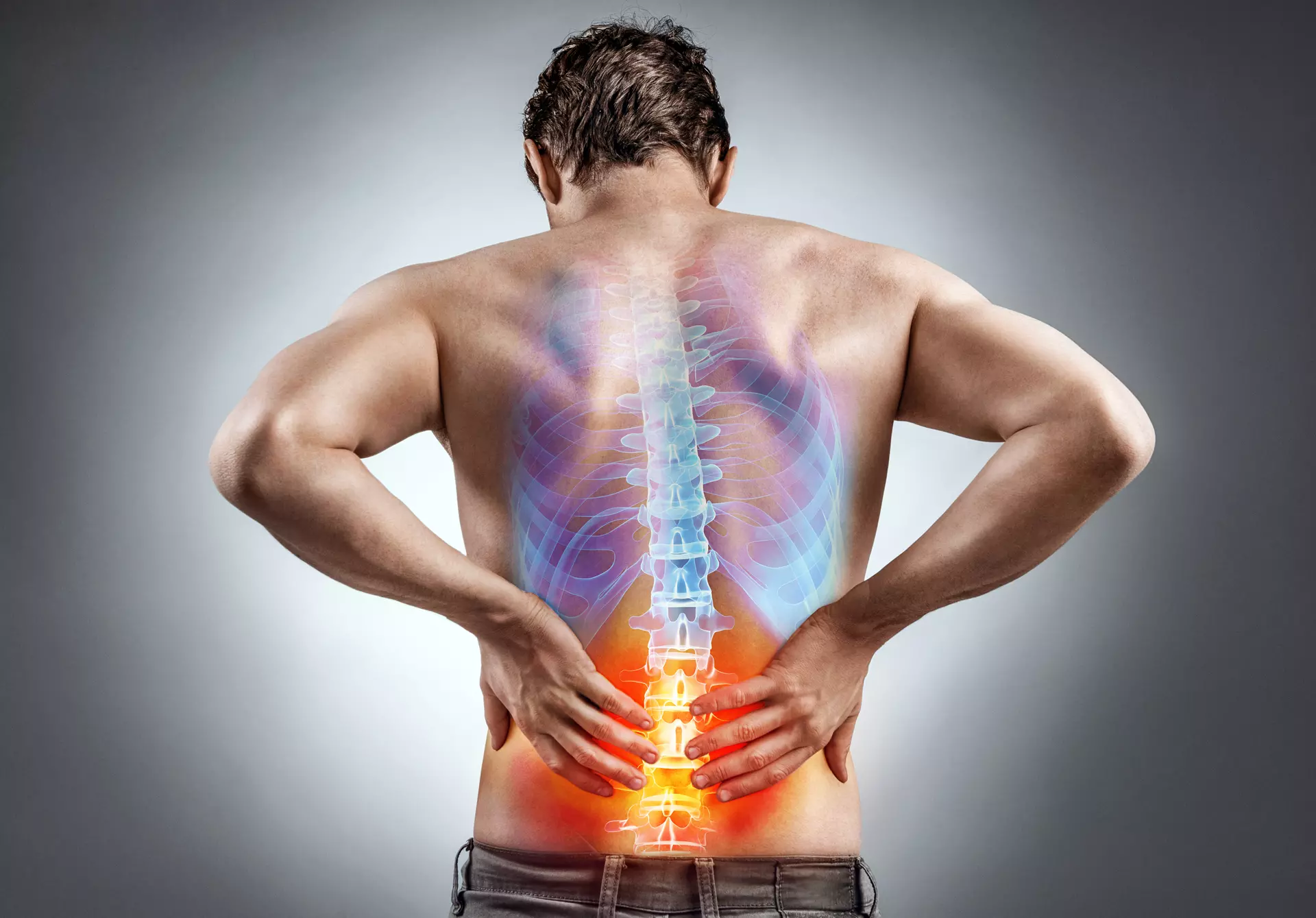
At Morris Chiropractic, we are proud to offer the FDA-cleared Erchonia FX 635 low level laser therapy that has been clinically proven to ease the discomfort of low back pain. This gentle laser technology works by stimulating your body’s natural healing process to reduce inflammation and relieve pain, often helping patients return to an active lifestyle within weeks.
The FX 635 laser promotes healthy cellular function through painless biostimulation. It provides a safe and non-invasive alternative for those suffering chronic lower back pain, improving quality of life without the need for surgery.
Many people associate lasers with cutting or burning, like in LASIK eye surgery or tattoo removal. But the Erchonia FX 635 uses very low power—there’s no heat or burning sensation at all. Instead, it quietly energizes your cells, helping tight muscles relax, boosting healing, and reducing pain even while you lie comfortably during treatment.
Request an AppointmentWhy Not Rely on Opioids or NSAIDs for Back Pain?
Opioids are not a long-term solution for lower back pain. They carry high addiction risks and typically only reduce pain by about 30%. NSAIDs like aspirin, ibuprofen, and Tylenol often provide minimal relief and may cause unwanted side effects.
Low Level Laser Therapy offers a safer, effective alternative for chronic musculoskeletal lower back pain. It has no adverse side effects, and its benefits last longer than medications.
Request an AppointmentThe Two Key Areas to Treat for Most Low Back Pain Sufferers
The Lower Back (Face Down Position)
It might seem obvious, but if your lower back muscles are tight or have painful knots—often described as “marbles”—this area needs treatment. These knots can range from the size of BBs to larger, and as the laser therapy progresses, they shrink and eventually disappear, easing your pain.
The Hip Flexors (Face Up Position)
This area is less obvious but equally important. The primary hip flexor, the Psoas muscle, attaches to the front of your lumbar vertebrae (L1-L5). Ignoring this muscle often leads to incomplete relief. Treating hip flexors alone can bring up to 70% of sufferers significant relief within 30 minutes, with the rest benefiting from direct lower back treatment.
The best approach is to treat both areas and focus on the one that provides the most relief. During your first visit, we treat both to determine which area responds best.
What to Expect During Treatment
Watch the video to see how the treatment looks. You won’t feel the laser—it’s like shining a flashlight on your skin. But beneath the surface, the laser penetrates muscles and revitalizes mitochondria, boosting cellular energy (ATP) production. More energy in your muscles means they relax; less energy means tightness, similar to the stiffness after death known as rigor mortis.
Many patients notice their muscles loosening as they relax on the table. There’s no stretching, rolling, or massage needed. It’s truly remarkable—and the results often improve even after your session as your muscles detoxify, form new blood vessels, and repair damaged tissue.
Don’t Overlook the Hip Flexors
The FDA clearance study focused on the lower back but missed a critical muscle group contributing to pain: the hip flexors, including the Psoas Major and Iliacus. These muscles connect from the front of the lumbar spine to the hip and are accessed from the front of the body.
You might experience more pain lying on your back without support under your knees or even when lying on your stomach—both signs of tight hip flexors.
Stretching won’t help here, because the tightness stems from low cellular energy, not just muscle length. It’s like trying to stretch a muscle in full rigor mortis—ineffective and frustrating.
Shining the laser on your hip flexors from the front helps them relax within minutes. Many patients feel the tension in their lower back ease as they rest.
The FDA 501(K) Cleared Study on Chronic Lower Back Pain
Study Participants:
- 58 subjects (29 active laser, 29 placebo), aged 18 and older with chronic musculoskeletal low back pain rated 40+ on the Visual Analog Scale (VAS).
- Average age 45.6 years; gender evenly split; majority Caucasian (69%), Hispanic (14%), African American (8.5%), Asian (8.5%).
- Average pain duration ~8 years; 79% had pain on both sides; average baseline pain rating 59.1 (VAS).
Study Procedure:
- Eight 20-minute sessions over four weeks (two per week), using active or sham Erchonia FX-635 laser.
- Participants limited pain medication to OTC Tylenol and recorded usage.
- Pain ratings recorded at least six hours after medication.
Results:
- Active laser group showed progressive, cumulative pain reduction from start to end.
- Placebo group had mild initial improvement but pain returned to baseline by study end.
Don’t Wait to Find Relief
This therapy is not new—it’s been a trusted standard in Russia for decades. Here in Painesville, OH, laser therapy is less known, but it deserves to be a standard of care alongside traditional treatments. Even if you’re generally healthy, laser therapy can help enhance your well-being.
Make an appointment today, ask your questions, and start feeling better with Morris Chiropractic.
Request an Appointment